
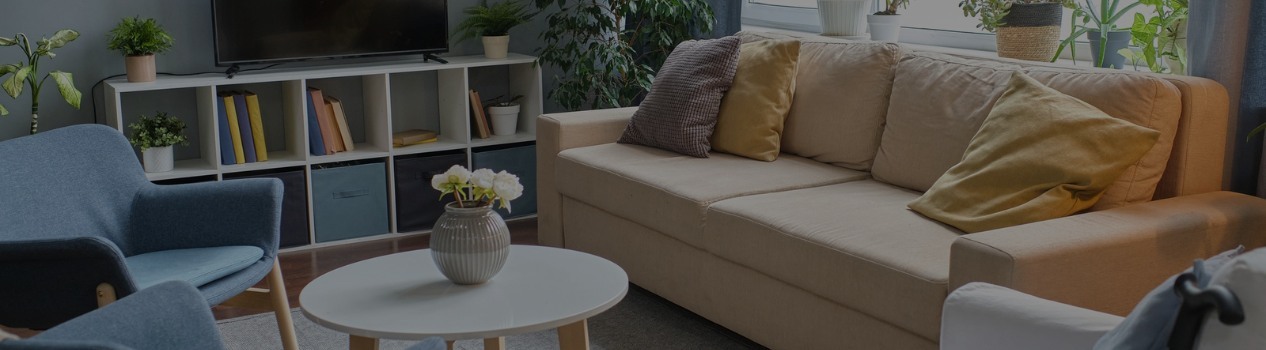
 Homat, Furniture rental is an affordable and flexible furnishing solution for your home.
In 2026, relocating abroad means dealing with more evolving administrative rules, sometimes longer processing times, and tighter access to housing in many major cities. The process varies significantly depending on the country of origin, professional status and family situation. Identifying key steps, understanding essential procedures and preparing your move in advance helps avoid the most common obstacles upon arrival.
The main challenges to anticipate before relocating
Difficulties encountered during expatriation often result from a combination of constraints.
In 2026, the most frequent friction points are likely to involve obtaining residence/work permits and accessing housing in high-demand markets.
These challenges are compounded by very practical issues: access to social benefits, health insurance compatible with the host country, access to banking services, and continuity of a partner’s career.
Taken individually, these elements may seem manageable, but a lack of preparation increases the mental load during what is already a demanding transition and relocation phase.
Essential administrative procedures in 2026
Procedures vary by country, but certain steps remain essential for any relocation in 2026.
The first step is to clearly define your status: locally hired employee, posted worker, self-employed, student or accompanying family member. This status determines the entire administrative process.
Next come entry and residence authorisations. Depending on the host country, a long-stay visa, residence permit or work permit may be required. Within Europe, rules differ depending on whether you are an EU citizen or not.
Health coverage is another key aspect. Some countries require private insurance upon arrival, while others grant access to their social security system only under specific professional conditions.
Opening a local bank account is also necessary to receive a salary, pay rent or access certain services. Required documents vary but generally include proof of residence and a valid residence permit.
Finally, taxation must be anticipated. Depending on agreements between countries, expatriates may have to declare income in one or two jurisdictions. Poor planning can lead to costly adjustments.
In 2026, administrative frameworks continue to evolve, with rules that may be adjusted depending on economic needs, industry sectors or migration policies of host countries. This relative instability reinforces the need to verify the conditions applicable to your situation before departure.
Preparing your move in the host country
Housing is often the first major issue. In many cities, supply is limited and competition is high. Many expatriates opt for a temporary solution to secure their arrival before committing long-term.
Without access to essential services such as internet, mobile connectivity and energy, the first days on site can be challenging, even for basic administrative or professional tasks.
For families, enrolling children in school can become a bottleneck due to registration timelines and limited availability in institutions.
Tips for a successful relocation in 2026
Administrative delays, changes in professional schedules and difficulties accessing housing are among the most common situations faced during relocation. Allowing extra time and budget helps absorb these adjustments without jeopardising the overall plan.
Building a network quickly also facilitates integration. Expat communities, professional networks and local events play a key role in understanding local practices and avoiding isolation.
Reducing the number of decisions to be made after arrival helps you focus more quickly on work, family and adapting to the new environment. Quickly transforming an empty home into a functional and familiar living space is an effective way to support this transition in a more stable and comfortable setting.
How to relocate more easily with furniture rental
After just a few days on site, needs evolve: the home must allow you to work, cook, rest and organise daily life. Furniture rental supports relocations lasting several months, when the accommodation becomes a true living space.
Homat, a specialist in furniture and appliance rental for over 30 years, offers solutions adapted to all international mobility situations to France.